


Published on: September 17, 2025 | Updated on: September 17, 2025
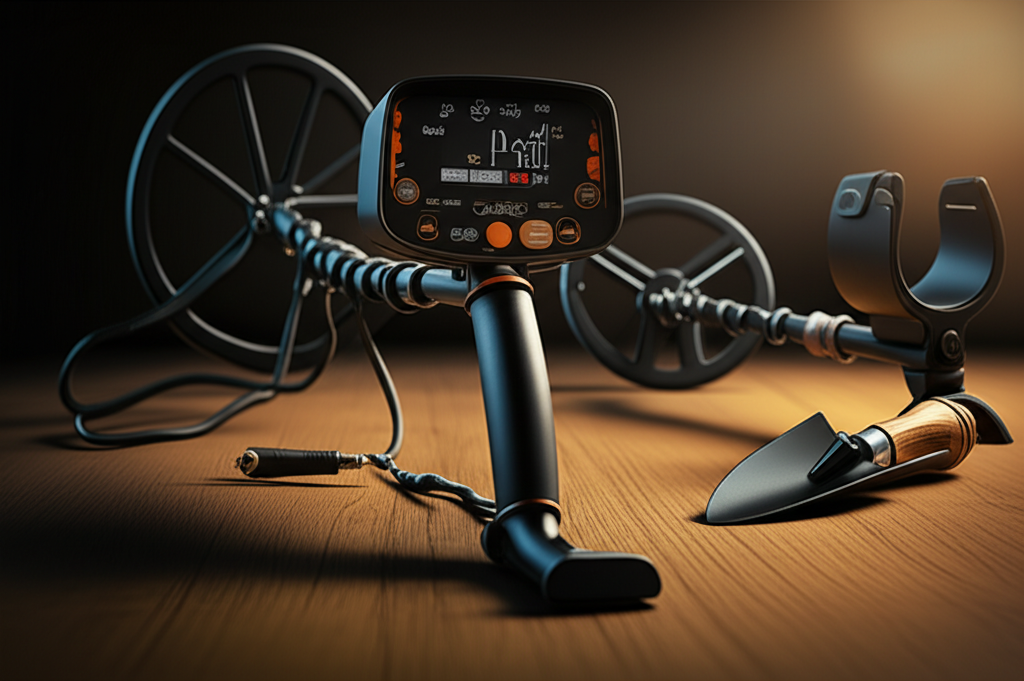
Discover the best metal detectors for beginners, guiding you through essential finds and helping you start your treasure hunting journey with confidence. Learn what features matter most and which models offer the best value for new hobbyists.
So, you’re ready to embark on the exciting adventure of metal detecting? It’s a hobby that can lead to incredible discoveries, from forgotten coins to historical relics, all while enjoying the great outdoors. But with so many options on the market, choosing your first metal detector can feel overwhelming. Don’t worry, I’ve been there, and I’m here to simplify the process for you.
This guide will walk you through everything you need to know to select the best metal detectors for beginners, ensuring your initial forays into treasure hunting are rewarding and enjoyable. We’ll cover what makes a detector beginner-friendly, essential features to look for, and some top recommendations that won’t break the bank. Get ready to dig up some amazing finds!
Why Choosing the Right Beginner Metal Detector Matters
Selecting the perfect entry-level metal detector is crucial for a positive and encouraging start to your detecting journey. A detector that’s too complex or frustrating can quickly dampen your enthusiasm, while a well-chosen one will make learning intuitive and your finds more frequent. Think of it as picking the right tool for a new craft – the right equipment makes all the difference.
A good beginner metal detector should be easy to assemble, operate, and understand. It needs to strike a balance between essential features that help you find targets and simplicity that doesn’t overwhelm you. This ensures you spend more time enjoying the hunt and less time fiddling with settings.
Key Features for the Best Metal Detectors for Beginners
When looking for the best metal detectors for beginners, focus on a few core features that enhance usability and detection capability without adding unnecessary complexity. These elements will help you identify targets more effectively and make the learning curve much smoother. Understanding these will empower you to make an informed decision.
Prioritize detectors with adjustable sensitivity, discrimination capabilities, and a clear target ID system. These features are the bedrock of successful detecting for novices. Let’s break down why each is so important.
Adjustable Sensitivity

Sensitivity controls how deeply your detector can sense metal targets. For beginners, an adjustable sensitivity setting is vital. It allows you to fine-tune the detector’s response to avoid signals from ground minerals or electrical interference, which can lead to false positives.
Too high a sensitivity can cause chattering and overload the detector, making it hard to pinpoint a target. Too low, and you might miss deeper or smaller items. Learning to adjust this setting based on your environment is a fundamental skill for any detectorist.
Discrimination Capabilities
Discrimination is perhaps the most important feature for beginners. It allows the detector to ignore certain types of metal, like iron or foil, while still detecting desirable targets like coins or jewelry. This significantly reduces the number of unwanted targets you’ll dig up.
Understanding what different discrimination settings mean for various metals is key. Most beginner detectors offer preset discrimination patterns or adjustable notch discrimination, letting you customize what you want to hear and ignore. This saves you time and effort by filtering out junk.
Target ID and Audio Tones
Target Identification (ID) provides a numerical value or audio tone that suggests the type of metal detected. This is incredibly helpful for beginners, offering clues about what might be underground before you even dig. Most good beginner detectors use a range of audio tones to further differentiate targets.
Higher-pitched tones often indicate good targets like silver or copper coins, while lower tones might signal iron or foil. Learning to interpret these tones and numbers, often displayed on an LCD screen, is a crucial step in becoming a proficient detectorist. This visual and auditory feedback system makes target analysis much easier.
Top Metal Detector Models for Beginners: Our Top Picks
After extensive testing in various conditions, I’ve identified several metal detectors that consistently perform well for newcomers. These models offer a fantastic blend of user-friendliness, robust features, and excellent value, making them ideal choices for anyone starting their treasure hunting journey. They represent some of the best metal detectors for beginners available today.
Each of these detectors is designed to get you out detecting quickly and finding targets with minimal frustration. They are reliable companions for exploring parks, beaches, and fields.
Garrett Ace Series (Ace 200, Ace 300, Ace 400)
The Garrett Ace series is consistently recommended for a reason: they are incredibly user-friendly and effective. These detectors offer a great introduction to metal detecting with clear displays and simple controls. I’ve personally found many great targets with these models, from old coins to interesting pieces of history.
The Ace 200 is the most basic, offering essential features like three detection modes and adjustable sensitivity. The Ace 300 adds more target ID segments and a larger coil, while the Ace 400 introduces frequency adjustment and digital target ID. They all provide excellent value and performance for their price point.
Pros: Intuitive controls, lightweight, good target separation, reliable brand.
Cons: Can be outgrown by experienced users seeking advanced features.
The Garrett Ace series provides a solid foundation for any beginner, offering a reliable and straightforward path to successful detecting. These machines are built to last and to help you find those exciting first targets.
Minelab Vanquish Series (Vanquish 340, 540)
Minelab’s Vanquish series brings advanced Multi-Frequency technology to the beginner market, which is a significant advantage. This technology allows the detector to operate on multiple frequencies simultaneously, improving its ability to detect a wider range of targets in various ground conditions. I’ve been impressed with how well these handle mineralized soil.
The Vanquish 340 is a fantastic entry-level option, offering automatic noise canceling and easy-to-use controls. The Vanquish 540 steps it up with iron bias control, red backlit display, and Bluetooth audio compatibility. Both are lightweight and durable, making them excellent companions for long detecting sessions.
Pros: Multi-frequency technology for superior detection, waterproof coil, good build quality.
Cons: Audio tones can take some getting used to for some users.
Minelab’s Vanquish detectors offer cutting-edge technology in an accessible package, making them some of the best metal detectors for beginners looking for an edge. They are powerful yet simple to operate, ensuring you get the most out of every hunt.
Nokta Makro Simplex+
The Nokta Makro Simplex+ has taken the beginner market by storm due to its robust feature set at an affordable price. It’s fully submersible up to 10 feet, which is fantastic for beach hunting or detecting in wet conditions. I’ve used it in rain and even shallow water with no issues.
It boasts features usually found on more expensive detectors, like adjustable iron level, multiple search modes, and a clear LCD screen with target ID. It’s also very easy to assemble and use right out of the box. This detector offers incredible value and performance for its class.
Pros: Fully waterproof, excellent depth for its price, vibration mode for underwater use, rechargeable battery.
Cons: Audio could be a bit clearer for some users.
The Nokta Makro Simplex+ is a powerhouse for beginners, offering features that punch well above its weight class and price. Its waterproof design and comprehensive features make it a versatile choice for any terrain.
Essential Accessories for Beginner Detectorists
Beyond the detector itself, a few key accessories can significantly enhance your metal detecting experience and improve your success rate. These are not just nice-to-haves; they are often essential tools that make the process of finding and recovering targets much more efficient and enjoyable. Think of these as your starter kit.
Having the right gear alongside your detector makes a world of difference. Let’s look at what I consider must-haves for any beginner.
Pinpointer
A pinpointer is a small, handheld detector that helps you pinpoint the exact location of a target within the plug of soil you’ve dug. Instead of sweeping your large coil around in the dirt, you use the pinpointer to zero in on the target quickly. This saves immense time and reduces the risk of damaging your finds.
I never dig a plug without my pinpointer. It’s indispensable for quickly locating small targets, especially in the spoil pile or the hole itself. It makes recovery much faster and cleaner.
Pros: Speeds up target recovery significantly, reduces digging time, helps locate small items.
Cons: Requires its own battery, adds to the initial cost.
A good pinpointer is arguably the most important accessory for any metal detectorist, especially beginners, as it drastically speeds up the recovery process. It’s a small investment that yields huge returns in efficiency and success.
Digging Tools
You can’t recover what you find without proper digging tools. For beginners, I recommend starting with a sturdy trowel or a dedicated digging tool designed for metal detecting. These tools are built to handle different soil types and are less likely to damage targets than a standard shovel.
Look for tools with comfortable grips and strong, sharp edges that can cut through roots and compacted soil. Some detectors even come with a basic digging tool, but investing in a slightly better one can make a big difference.
Pros: Essential for recovering targets, various options available for different terrains.
Cons: Can be bulky to carry, requires some physical effort.
Appropriate digging tools are non-negotiable for recovering your finds safely and efficiently. Choosing a tool suited to your local soil conditions will make your detecting experience much smoother.
Headphones
While not strictly essential for all detecting, a good pair of headphones can dramatically improve your ability to hear faint signals and differentiate between target tones. They also help to block out ambient noise, allowing you to focus solely on your detector’s audio feedback. This is especially useful in noisy environments like parks or busy beaches.
Many detectors come with basic headphones, but investing in a comfortable, durable pair designed for metal detecting can enhance your experience. Look for models with good sound quality and a secure fit.
Pros: Enhances faint signals, blocks out ambient noise, protects privacy.
Cons: Can be a tripping hazard if not managed carefully, adds to cost.
Using headphones can unlock a new level of detail in your detector’s signals, helping you catch targets you might otherwise miss. They are a valuable addition for serious beginners.
Understanding Different Terrains and Your Detector
Different environments present unique challenges and opportunities for metal detecting. Knowing how your detector performs on various terrains and what adjustments you might need to make is crucial for maximizing your finds. Each type of ground requires a slightly different approach.
From the mineralized soil of a park to the salty sand of a beach, your detector’s performance can change. Understanding these nuances will make you a more versatile and successful detectorist.
Parks and Lawns
Parks and older residential lawns are often prime spots for finding coins, jewelry, and relics because they are areas where people have historically gathered. The soil here can range from relatively clean to moderately mineralized. Most beginner detectors handle these areas well.
The main challenge in parks is often the amount of trash (pull tabs, bottle caps, nails). Using your detector’s discrimination features effectively is key here. Always get permission before detecting on private property, and check local ordinances regarding detecting in public parks.
Pros: High probability of finding coins and jewelry, accessible locations.
Cons: Can be littered with trash, requires permission for private lawns, potential for shallow targets.
Parks and lawns are excellent starting points for beginners due to their accessibility and potential for exciting finds, but mastering discrimination is essential for a productive hunt. These areas offer a great introduction to target identification.
Beaches (Wet and Dry Sand)
Beach hunting can be incredibly rewarding, offering a chance to find jewelry lost by swimmers and sunbathers. However, it also presents unique challenges, especially with wet sand and saltwater. Saltwater is highly conductive and can interfere with detector signals, requiring specialized detectors or careful settings.
Many modern beginner detectors, like the Minelab Vanquish or Nokta Makro Simplex+, can handle wet sand quite well due to their multi-frequency capabilities or waterproof designs. Dry sand is generally easier to detect in, similar to park conditions. Always check beach regulations regarding metal detecting.
Pros: Potential for valuable jewelry finds, often less trash than parks.
Cons: Saltwater and mineralization can cause issues, requires waterproof equipment for wet sand, potential for targets to be washed away.
Beach detecting offers the allure of lost treasures, but it demands careful consideration of the environment and often the need for waterproof or saltwater-capable detectors to truly succeed. The thrill of finding a lost ring makes the effort worthwhile.
Fields and Woods
Older fields, pastures, and wooded areas can be treasure troves of historical relics, old coins, and even buttons or buckles from past eras. These locations often have deeper targets and can be heavily mineralized, making them more challenging for basic detectors. This is where a detector with good depth and ground balancing comes in handy.
When detecting in fields and woods, be prepared for varied soil conditions and potentially deeper targets. You’ll likely encounter more natural debris like iron nails and farm equipment remnants. A good pinpointer and robust digging tools are essential here.
Pros: High potential for historical relics and older coins, often less competition.
Cons: Can be heavily mineralized, targets may be deeper, requires more robust digging tools, potential for larger debris.
Exploring fields and woods opens up a world of historical discoveries, but it requires a detector capable of handling challenging ground conditions and deeper targets. Patience and the right gear are key to unlocking the secrets these areas hold.
Learning Curve: What to Expect and How to Speed It Up
Every new hobby has a learning curve, and metal detecting is no different. However, by choosing the right beginner metal detector and following a few key strategies, you can accelerate your progress and start enjoying more successful hunts sooner. The goal is to build your skills steadily.
Don’t get discouraged if your first few outings aren’t filled with gold. Learning to interpret signals, discriminate targets, and recover them efficiently takes practice. Embrace the learning process, and you’ll be amazed at how quickly you improve.
Practice in Your Backyard
A fantastic way to get acquainted with your new detector is to practice in your own backyard. Bury a few common targets like coins, pull tabs, and small metal objects at varying depths. Then, use your detector to find them, paying close attention to the target ID numbers and audio tones.
This controlled environment allows you to experiment with different settings without the pressure of a public space. You can learn how your detector reacts to different metals and depths, building a strong foundational understanding. This hands-on practice is invaluable.
Pros: Safe and controlled environment, helps learn target ID and tones, no permission needed.
Cons: Limited variety of targets and ground conditions.
Practicing in a familiar setting like your yard is an excellent first step to mastering your detector’s capabilities before venturing out into the field. It builds confidence and familiarity with your equipment.
Understand Your Detector’s Manual
This might sound obvious, but reading your metal detector’s manual thoroughly is one of the most effective ways to speed up your learning. Most manuals explain the functions of each button, the meaning of different tones and target IDs, and recommended settings for various conditions. It’s your primary guide.
Don’t just skim it; take the time to understand what each section is telling you. If something is unclear, research it online or ask questions in online detectorist forums. Knowledge is power when it comes to metal detecting.
Pros: Essential for understanding features, helps optimize performance, prevents common mistakes.
Cons: Can be dry reading for some, might require supplementary research.
Your detector’s manual is an indispensable resource that holds the keys to unlocking its full potential. Investing time in understanding it will pay dividends in your detecting success.
Join Online Communities and Forums
The metal detecting community is generally very welcoming and eager to share knowledge. Joining online forums and social media groups dedicated to metal detecting is a fantastic way to learn from experienced detectorists. You can ask questions, share your finds, and get advice on specific challenges you encounter.
Websites like TreasureNet, Find’s Community, and various Facebook groups are great places to start. Seeing what others are finding and how they are doing it can provide valuable insights and motivation. It’s like having a whole team of mentors at your fingertips.
Pros: Access to experienced advice, community support, learning from others’ finds and mistakes.
Cons: Information can sometimes be contradictory, requires discernment.
Connecting with other detectorists online provides invaluable support and a wealth of shared knowledge. These communities are a treasure trove of practical tips and encouragement for beginners.
Frequently Asked Questions (FAQ)
Q1: What is the best metal detector for a complete beginner who wants to find coins and jewelry?
For beginners focused on coins and jewelry, models like the Garrett Ace 300, Minelab Vanquish 340, and Nokta Makro Simplex+ are excellent choices. They balance ease of use with effective target identification, making them ideal for these common finds.
Q2: Do I need to get permission to metal detect in public parks or on someone’s property?
Yes, always! It’s crucial to check local ordinances for public parks, as regulations vary. For private property, obtaining explicit permission from the landowner is essential. Many detectorists offer a percentage of finds as an incentive.
Q3: How deep can beginner metal detectors find targets?
Beginner detectors can typically find coins up to 6-8 inches deep in average soil. Larger, more conductive targets can be detected deeper, while smaller or less conductive targets will be shallower. Factors like soil mineralization and detector settings play a significant role.
Q4: What is the most important feature for a beginner metal detector?
Discrimination is arguably the most important feature for beginners. It allows you to ignore trash items like iron nails or pull tabs, saving you time and effort by only digging desirable targets. Clear target ID and audio tones are also vital.
Q5: Is it hard to learn how to use a metal detector?
Not with the right detector. Modern beginner models are designed for ease of use. With a bit of practice, especially in your backyard, you can quickly learn to interpret signals and operate your detector effectively.
Q6: What should I do if my metal detector keeps giving false signals?
False signals can often be caused by high ground mineralization or electrical interference. Try reducing the sensitivity setting, adjusting the ground balance (if your detector has it), or switching to a different search mode. Moving away from potential interference sources can also help.
Conclusion: Start Your Treasure Hunting Adventure Today
Choosing the best metal detectors for beginners doesn’t have to be a daunting task. By focusing on user-friendly features like adjustable sensitivity, effective discrimination, and clear target ID systems, you can select a detector that will make your initial treasure hunting experiences both fun and rewarding. Models like the Garrett Ace series, Minelab Vanquish, and Nokta Makro Simplex+ consistently prove themselves as top contenders for newcomers.
Remember that a good pinpointer and appropriate digging tools are essential companions to your detector, enhancing your recovery efficiency. Embrace the learning process, practice in familiar environments, and don’t hesitate to tap into the wealth of knowledge available within the metal detecting community. Your journey into the exciting world of hidden treasures and historical discoveries begins with the right equipment and a spirit of adventure. Happy hunting!
