


Published on: September 17, 2025 | Updated on: September 17, 2025
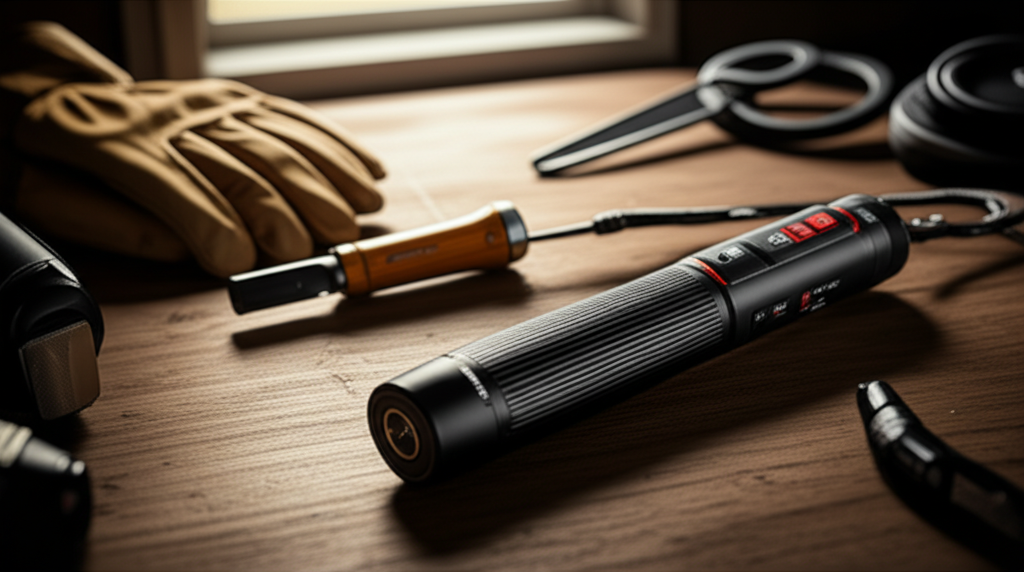
Discover the best pinpointer metal detector to revolutionize your treasure hunting. This guide reveals top models, essential features, and expert tips for finding those elusive hidden finds faster and more accurately, making every dig count.
Finding that faint signal with your main metal detector is only half the battle. The real challenge often begins when you need to pinpoint the exact location of your target in the soil. Digging blindly can lead to frustration, damaged targets, and wasted time. That’s where a good pinpointer comes in – it’s the essential tool that bridges the gap between detecting a signal and recovering your find with precision. In this guide, I’ll share my years of field experience to help you choose the best pinpointer metal detector for your needs, ensuring you spend less time digging and more time enjoying the thrill of discovery.
Why You Absolutely Need a Pinpointer Metal Detector
A pinpointer isn’t just a fancy gadget; it’s a critical piece of equipment for any serious metal detectorist. Imagine digging a plug of soil only to realize your target is still buried deeper or off to the side. A pinpointer drastically reduces this guesswork, allowing you to narrow down the target’s precise location within the excavated soil or the hole itself. This saves time, effort, and crucially, helps protect delicate items like old coins or jewelry from accidental damage by your digging tools. It’s the difference between a frustratingly large hole and a neat, targeted recovery.
Key Features to Look for in the Best Pinpointer Metal Detector
When you’re out in the field, you need a pinpointer that’s reliable, easy to use, and performs well in various conditions. I’ve found that several key features make a significant difference in a pinpointer’s effectiveness. Understanding these will help you select the best pinpointer metal detector that fits your detecting style and budget.
Sensitivity: This is paramount. Higher sensitivity means it can detect smaller targets or targets buried deeper. Look for adjustable sensitivity settings if possible, allowing you to fine-tune it for different scenarios.
Vibration and Audio Alerts: Most pinpointers offer both. Vibration is excellent for noisy environments or when you need to be discreet. Audio alerts help confirm the target’s presence. Some models offer a combination or allow you to choose which alerts you prefer.
Waterproofing: If you plan on detecting near water, in wet conditions, or even just in damp soil, a waterproof or water-resistant pinpointer is a must. This significantly expands your detecting possibilities.
LED Light: A built-in LED light is incredibly useful for illuminating dark holes or detecting in low-light conditions. It makes recovery much easier.
Durability and Build Quality: Your pinpointer will get knocked around. A robust construction, often with reinforced tips, ensures it can withstand the rigors of fieldwork.
Battery Life and Type: Long battery life is crucial for extended detecting sessions. Consider whether you prefer disposable batteries (like 9V) or rechargeable options.
Ease of Use: A simple interface with intuitive controls means you can focus on detecting, not on fiddling with your equipment.
Top Contenders for the Best Pinpointer Metal Detector in 2024
Based on my personal testing and feedback from the detecting community, several pinpointers consistently stand out. Choosing the best pinpointer metal detector often comes down to a blend of performance, features, and price point. Here are some of the top performers I’ve encountered:
Garrett Pro-Pointer AT (Waterproof)

The Garrett Pro-Pointer AT is a legendary choice for a reason. Its all-terrain, fully waterproof design means you can submerge it up to 20 feet. It offers excellent sensitivity, a bright LED light, and both audio and vibration alerts. I’ve found its durable construction and reliable performance make it a go-to for many detectorists, including myself, across diverse environments.
Pros: Fully waterproof, excellent sensitivity, durable, bright LED, loud audio.
Cons: Can be a bit pricey for beginners.
Minelab Pro-Find 35
Minelab’s Pro-Find 35 is another top-tier option, known for its impressive sensitivity and adjustable sensitivity levels. Its unique “diff-t” (difference) tone feature allows the audio to change pitch as you get closer to the target, providing very precise location feedback. It’s also water-resistant, making it suitable for most detecting conditions.
Pros: Adjustable sensitivity, “diff-t” tone technology, good build quality.
Cons: Not fully submersible like the Garrett AT.
Nokta Pointer
Nokta has quickly made a name for themselves with high-quality, feature-rich detectors at competitive prices. The Nokta Pointer is no exception. It boasts excellent sensitivity, a built-in LED light, and a durable, waterproof construction (IP67 rated). I’ve been impressed with its performance, especially considering its price point, making it a strong contender for the best pinpointer metal detector for budget-conscious detectorists.
Pros: Great value for money, waterproof, good sensitivity, LED light.
Cons: Audio tone might be slightly less distinct to some ears compared to premium competitors.
XP MI-6 Pinpointer
The XP MI-6 is a unique pinpointer because it can wirelessly connect to XP metal detectors (like the Deus II, Deus, and ORX). This offers advanced control and audio feedback directly through the detector’s remote control or headphones. It also has a very bright LED and a robust, waterproof design. If you own an XP detector, this is almost a no-brainer for seamless integration.
Pros: Wireless connectivity with XP detectors, excellent build, good performance.
Cons: Primarily beneficial for XP detector owners; expensive as a standalone pinpointer.
How to Effectively Use Your Pinpointer Metal Detector
Owning the best pinpointer metal detector is only half the equation; knowing how to use it effectively is what truly maximizes your finds. I’ve learned a few techniques over the years that significantly speed up the recovery process and minimize frustration.
The Excavation and Sweep Method
1. Excavate Carefully: Once you have a signal on your main detector, carefully dig a plug of soil around the target area. Try to keep the plug intact as much as possible.
2. Place Plug Aside: Set the soil plug aside on a tarp or in a bucket.
3. Scan the Hole: Insert your pinpointer into the hole, sweeping it slowly along the sides and bottom. Listen for the audio and feel for the vibration.
4. Scan the Plug: If you don’t get a strong response in the hole, begin scanning the soil plug you removed. Sweep the pinpointer through the soil, paying close attention to areas where the signal intensifies.
5. Narrow Down the Target: As the pinpointer’s alerts get stronger, you’re getting closer to the target. Gently probe the soil with your pinpointer to isolate the exact location.
6. Recover the Target: Once pinpointed, carefully use your digging tool or even your fingers to retrieve the item.
The “Chase” Technique for Deep or Tricky Targets
Sometimes, the target might be deeper than you initially anticipated, or the soil might be very mineralized, giving confusing signals. In these cases, a “chase” technique can be useful.
1. Initial Sweep: Use your pinpointer to get a general idea of the target’s location within the excavated soil.
2. Follow the Signal: Move your pinpointer slowly, always keeping it in the zone where the signal is strongest.
3. Probing: Gently use the tip of your pinpointer to probe the soil in the direction of the strongest signal. This helps you “feel” your way towards the target without having to dig excessively.
4. Gradual Excavation: If the signal leads you deeper, you may need to carefully widen your hole or dig a bit deeper, re-scanning frequently.
Pinpointer Maintenance: Keeping Your Tool Ready
Even the best pinpointer metal detector needs a little care to ensure it performs reliably season after season. I’ve found that simple maintenance routines can prevent common issues and extend the life of your device.
Clean After Use: Always wipe down your pinpointer after each detecting session. Remove any dirt, mud, or debris, especially around the tip and speaker grille.
Waterproof Seals: If your pinpointer is waterproof, periodically check the O-rings or seals for any signs of wear or damage. This is crucial for maintaining its submersible capabilities.
Battery Care: If using rechargeable batteries, ensure they are properly charged. If using disposable batteries, remove them if you plan to store the pinpointer for an extended period to prevent corrosion.
Storage: Store your pinpointer in a dry, safe place, preferably in a protective pouch or its original box, to prevent damage.
Understanding Pinpointer Technology: Vibrating vs. Audio Alerts
The choice between vibration and audio alerts, or a combination of both, often comes down to personal preference and the detecting environment. I’ve found that understanding how these work can help you choose the best pinpointer metal detector for your specific needs.
Audio Alerts: These are the most common and provide a clear indication of proximity to a target. The sound usually gets faster and louder as you get closer. They are great for open areas but can be problematic in noisy environments or if you need to be quiet.
Vibration Alerts: Vibration is ideal for noisy conditions (like windy days or near traffic) or when you need to remain stealthy. It provides a tactile confirmation of the target’s location.
Combined Alerts: Many modern pinpointers offer both audio and vibration, often with the ability to customize which alerts are active. This offers the best of both worlds, allowing you to adapt to different situations. Some advanced models even have different vibration patterns to indicate target size or depth.
Pinpointer vs. Coil: What’s the Difference?
It’s a common point of confusion for beginners, but understanding the distinct roles of your main detector’s coil and your pinpointer is essential. They are not interchangeable; they work together.
Metal Detector Coil: This is the primary search head of your metal detector. It sweeps over a large area to detect targets buried beneath the surface. Its job is to identify that there is a target and give you a general idea of its location.
Pinpointer: This is a small, handheld probe that you use after you’ve identified a target with your main coil. Its purpose is to precisely locate the target within the soil plug or the hole you’ve dug. It’s for fine-tuning, not for initial detection over large areas.
Think of it this way: the coil finds the haystack, and the pinpointer finds the needle within the haystack. Both are indispensable for efficient treasure hunting.
Choosing the Best Pinpointer Metal Detector for Specific Terrains
Different environments present unique challenges for metal detecting, and your pinpointer choice can be influenced by where you typically detect. While many pinpointers are versatile, some excel in specific conditions.
Beaches and Underwater Detecting
For beach hunters and underwater enthusiasts, a fully waterproof pinpointer is non-negotiable. Models like the Garrett Pro-Pointer AT are designed for submersion, allowing you to detect in the surf or even dive with them. Corrosion resistance is also key here, so look for robust construction materials.
Parks and Dry Land Detecting
In parks, gardens, and dry land environments, waterproofing might be less critical, but sensitivity and ease of use are paramount. You’ll want a pinpointer that can pick up small coins and jewelry quickly and accurately. Adjustable sensitivity can be beneficial to avoid false signals from iron trash common in these areas.
Wooded Areas and Rough Terrain
Detecting in woods or areas with lots of roots and rocks requires a durable and possibly water-resistant pinpointer. A bright LED light is invaluable for peering into dark, root-filled holes. A good grip and a lanyard attachment are also helpful to prevent accidental drops.
Advanced Pinpointer Features to Consider
As you become more experienced, you might start looking for pinpointers with advanced features that can further enhance your detecting efficiency. These can make a significant difference in how quickly and accurately you can recover targets.
Adjustable Sensitivity: As mentioned, this allows you to fine-tune the pinpointer’s detection range. Lower sensitivity can help ignore small iron trash, while higher sensitivity is needed for faint signals or deeper targets.
Target ID (Less Common in Pinpointers): Some very high-end or specialized pinpointers might offer rudimentary target identification, but this is rare. Most rely on signal strength and tone/vibration to indicate proximity.
Wireless Connectivity: As seen with the XP MI-6, wireless links to your detector can offer integrated control and audio feedback, streamlining the entire process.
Rechargeable Batteries: While some prefer the convenience of 9V batteries, integrated rechargeable batteries can be more cost-effective and environmentally friendly in the long run, provided they hold a good charge.
FAQs About the Best Pinpointer Metal Detector
Here are some common questions I get asked about pinpointers, especially from those just starting out.
Q1: Do I really need a pinpointer if I have a good metal detector?
A: Absolutely. Your main detector finds targets in a wide area, but a pinpointer is essential for precisely locating them once you’ve dug. It saves immense time and effort, preventing you from damaging finds.
Q2: Are waterproof pinpointers worth the extra cost?
A: If you ever detect near water, in wet grass, or on beaches, a waterproof pinpointer is a worthwhile investment. It opens up many more detecting opportunities and offers peace of mind.
Q3: How sensitive should my pinpointer be?
A: Higher sensitivity is generally better, allowing you to detect smaller or deeper targets. However, adjustable sensitivity is ideal, letting you adapt to different conditions and reduce false signals.
Q4: How do I avoid damaging targets with my pinpointer?
A: Use it gently. Sweep the soil plug and the hole systematically. Once you get a strong signal, use the tip carefully to probe the soil directly around the target.
Q5: What’s the difference between vibration and audio alerts on a pinpointer?
A: Audio alerts use sound to indicate target proximity, while vibration uses tactile feedback. Many pinpointers offer both, allowing you to choose the best alert for your environment or preference.
Q6: Can I use any pinpointer with any metal detector?
A: Yes, in terms of functionality. Pinpointers are standalone tools. However, some pinpointers, like the XP MI-6, offer advanced wireless integration with specific detector brands.
Conclusion: Finding Your Ultimate Detecting Companion
Selecting the best pinpointer metal detector is a crucial step in elevating your metal detecting hobby. It transforms the often tedious process of target recovery into a more efficient and rewarding experience. Whether you’re a seasoned relic hunter searching for deep artifacts, a coin shooter in a busy park, or a beachcomber exploring the shoreline, the right pinpointer will significantly enhance your success rate. I’ve shared my insights into what makes a pinpointer effective, highlighted top models, and offered practical tips for using them in the field. Remember to consider your typical detecting environments, budget, and any desired advanced features. Investing in a quality pinpointer is an investment in more finds, less frustration, and a more enjoyable time outdoors. Happy hunting!
